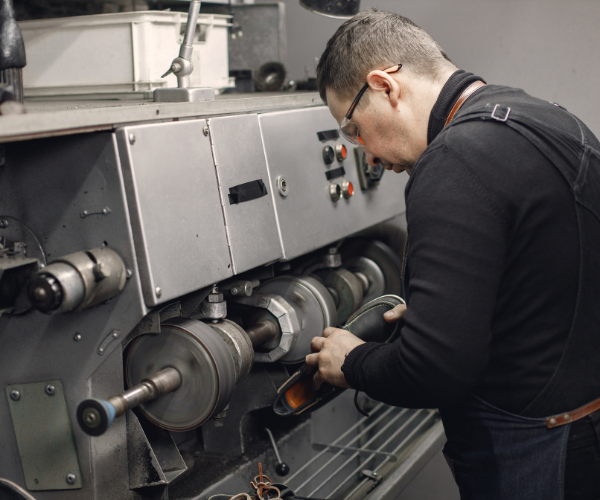
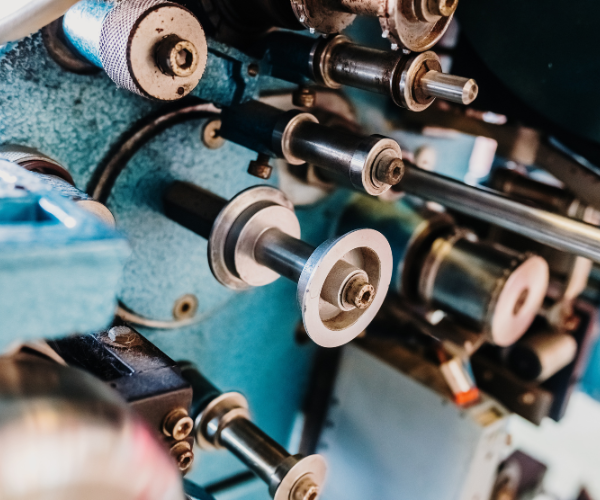
Are you planning to buy a thread rolling machine for your business? If yes, the following piece is for you. Knowing all about the issues beforehand and being prepared for them will definitely help your business operations run smoothly without any disruption. Read on to know more.
Step 1: Understanding Your Machine Before Switching It ON
Before touching any button, we at HTMT, one of the most trusted Thread Rolling Machine Manufacturers in India, suggest beginners do one thing:
Spend at least 10-20 minutes understanding the machine—it saves hours of mistakes.
Look at:
- Rolling dies (flat / cylindrical / hydraulic)
- Control panel
- Lubrication points
- Safety guards
- Emergency stop button
It will help to analyse where are the buttons and what button work for what
Step 2: Selecting the Right Raw Material (Very Important)
Often questions like this get asked – ‘Can I roll threads on any rod?’ The answer is no, not every material is suitable.
For beginners, start with:
Make sure:
- Rod diameter is correct
- The surface is clean
- It has not any rust, bends or scratches
Wrong raw material = improper threads.
Step 3: Choosing the Correct Rolling Dies
90% of the beginners use the wrong die. And then ask, “Why are my threads not matching the sample?”
So before threading, kindly check the:
- Thread pitch
- Thread angle
- Thread diameter
- Left or right hand thread
Tip: Don't use the wrong die; it damages both the die and the machine.
Step 4: Installing and Aligning the Dies Properly
This is where beginners usually rush and pay later.
When installing dies:
- Clean die holders properly
- Tighten bolts evenly
- Ensure perfect alignment
If dies are not aligned:
- Threads will be uneven
- One side will wear faster
- Machine vibration will increase
Note: Alignment decides thread quality.
Step 5: Setting Machine’s Parameters
Some people generally ask, “Should I run the machine fast for more production?”
The clear answer is no.
Start with:
- Low speed
- Moderate pressure
Once threads look perfect, you can slowly increase speed but not go for max speed.
Too much pressure causes:
- Cracks
- Flat threads
- Die damage
Step 6: Applying Proper Lubrication
This step is often ignored by beginners—and that’s a big mistake.
Lubrication helps:
- Reduce friction
- Reduce overheating
- Improve surface finish
- Increase die life
Use:
- Recommended rolling oil
- Continuous lubrication during operation
Dry rolling = poor finish.
Step 7: Trial Run
Note: Don’t skip this process
Before full production:
- Run trial for 3-4 samples
- Check the nature of the thread.
- Calculate the diameter
If you encounter some issue, unplug the power source. Continuing the operation might result in the malfunctioning of the machine.
Step 8: Continuous Monitoring During Production
Even after setup:
- Watch machine sound
- Observe thread finish
- Check temperature
Any unusual noise or vibration is a warning sign of the machine.
Now Let’s Talk About Some Common Threading Defects
Also known as thread rollers, thread rolling machines may sometimes show operational issues. Here are some of those issues and solutions on how to fix them.
1. Flat or Crushed Threads
Issues you face:
- Thread tops look flat
- Loss of sharp profile
Why it happens:
- Excessive pressure
- Over-rolling
- Wrong die selection
How to fix it:
- Reduce pressure
- Adjust rolling time
- Confirm correct die profile
2. Cracks on Threads
This scares beginners the most.
Issues you face:
- Hard material
- Excessive pressure
- Poor lubrication
How to fix it:
- Reduce pressure
- Improve lubrication
- Check material hardness
Thread rolling needs flexible material, not brittle.
3. Uneven or Wavy Threads
Issues you face:
- Un-uniformity of threads
- Inconsistent Pitch
Why it happens:
- Misplacement of die
- Unwanted sounds from machine
- Loose product accessories
How to fix it:
- Place dies properly
- Do not leave loose bolts
- Check machine foundation
4. Poor Surface Finish
Issues you face:
Why it happens:
- Uncleaned dies
- Bad lubrication
- Worn-out dies
How to fix it:
- Clean dies on a regular basis
- Use correct lubrication
- Replace damaged dies
5. Excessive Die Wear
Issues you face:
- Hard material
- Dry rolling
- Over-pressure
How to fix it:
- Follow pressure limits
- Use proper lubrication
- Don’t overload the machine
Powerful Maintenance Tips for Beginners
If you want consistent quality, always remember these things:
- Clean machine daily
- Lubricate moving parts
- Inspect dies weekly
- Train Thread rolling machine operators properly
Conclusion
If you are a beginner with a thread rolling machine or a thread roller, remember you don’t master the machine in one day.
You learn by:
- Observing
- Adjusting
- Making small mistakes
- Fixing the problem properly
Once you understand the basics, thread rolling becomes one of the most reliable and profitable operations in manufacturing.
If you ever feel confused, don’t hesitate; HTMT, as your trusted thread rolling machine procurement partner, will take care of all of your queries and after-sales issues. Right from offering a competitive thread rolling machine price to ensuring on-time delivery, we will be there with you at every step.