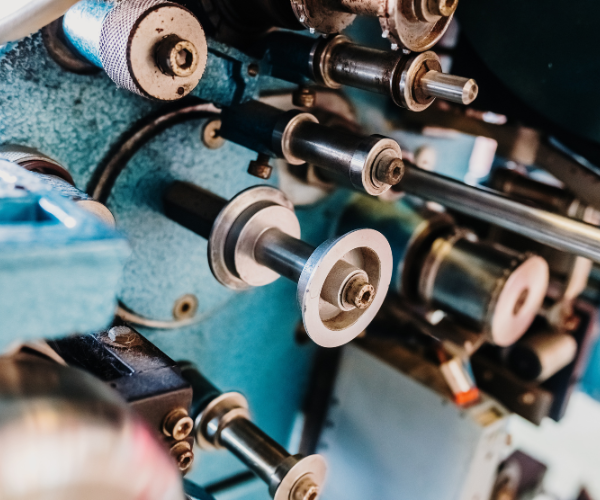
In the Rack Rolling Process metal is compressed between the hardened dies. It also maintains the efficiency that is required in every manufacturing business that is producing fasteners and in the oil and gas industry. This is also very important and beneficial in the manufacturing business. In this blog, we break down why it's important and related aspects.
The Rising Demand for Stronger Oil & Gas Fasteners
Fasteners used in the oil and gas industries are not ordinary bolts or threaded components. They must go with:
- High tensile loads
- Extreme temperature variations
- Corrosive environments
- Continuous vibration and pressure
To achieve this level of strength, manufacturers need production methods that strengthen the material. The traditional cutting process removes metal, which can reduce structural morality. Modern rolling methods reshape the material through compression, making it denser and stronger. This is exactly where the rack rolling process provides a major advantage.
What Is the Rack Rolling Process?
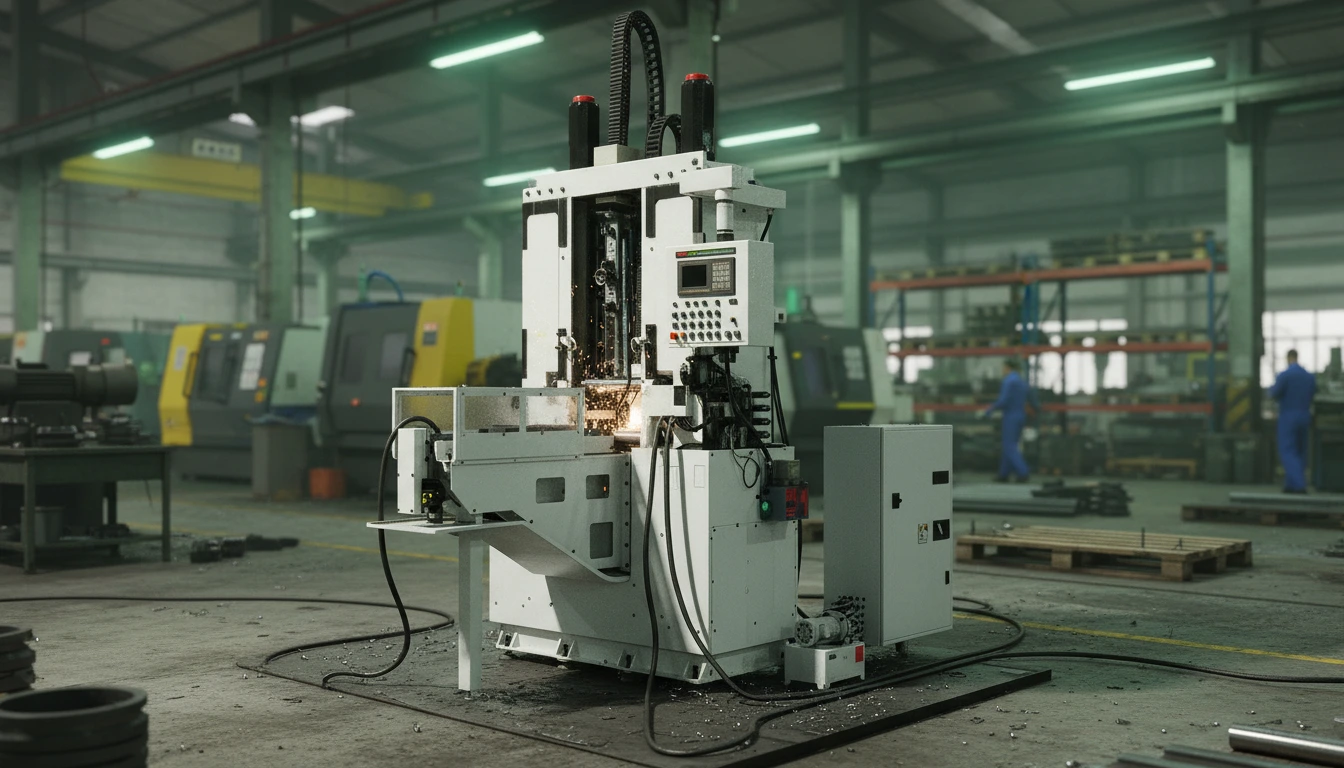
The process of a Rack Rolling Machine is a cold forming technique; it helps to create threads, splines, and rack profiles by compressing metal between hardened dies. Instead of cutting away material, the machine reshapes it using controlled pressure.
How It Works
- The metal workpiece is placed between rolling dies.
- The dies move in a synchronized motion.
- Pressure forces the material to flow into the die profile.
- The finished part exits with precise and strengthened threads.
Because the metal grains follow the shape of the thread during rolling, the final component becomes stronger and more resistant to fatigue.
Benefits of the Process
- No material wastage
- Improved tensile strength
- Higher production speed
- Better surface finish
- Longer tool life
These advantages make rolling ideal for manufacturing oil and gas fasteners in large volumes.
Trivia
The rolling process can make threads up to 30% stronger than traditional cut threads
Why Rack Rolling Machines Are Becoming the Industry Standard
The consistency and efficiency of the rack rolling machine are the best. That is the main reason modern manufacturers are quickly replacing their older machines with rack rolling machines.
The main reasons for this change
1. Higher Structural Strength
Rolled threads maintain continuous metal grain flow, which decreases thread tiredness. This is important for fasteners used in drilling equipment and pipelines.
2. Faster Production Cycles
Rack rolling machines can produce components much faster than cutting methods, this makes them ideal for high-volume manufacturing.
3. Consistent Accuracy
The machines ensure identical profiles in every production cycle, reducing rejection rates.
4. Reduced Production Cost
Although many companies initially evaluate the Rack Rolling Machine Price, they soon realize the long-term savings due to higher output and lower maintenance.
Here is another blog for your reference: Thread Rolling Machines: A Complete Guide for Bulk Buyers
Fun Fact
Thread rolling machines don’t like drama—they just roll with the pressure.
Comparison: Rack Rolling vs Traditional Machining
Here is the comparison table between the rack rolling machine and the traditional machine.
| Feature |
Rack Rolling Machines |
Traditional Thread Cutting |
| Material Strength |
Increased due to compression |
Reduced due to material removal |
| Production Speed |
Very high |
Moderate |
| Tool Life |
Longer |
Shorter |
| Surface Finish |
Smooth and uniform |
Requires finishing |
| Waste Material |
Minimal |
Higher |
This comparison clearly shows why manufacturers are shifting toward rolling technology for fastener production.
Factors to Consider Before Investing in a Rack Rolling Machine
Choosing the right machine is very important when you are ready to procure the rack rolling machine. Here are some important factors to evaluate:
- Machine capacity and tonnage
- Rolling length and workpiece diameter
- Automation and CNC control features
- Machine rigidity and vibration control
- Service and technical support
Another practical, noticeable thing is the rack rolling price; the price also depends on machine size, automation level, production level, and the capability of the production. In higher production with efficiency, it recovers your investment very quickly, and the life of the machine is long.
Choosing the Right Rack Rolling Machine Manufacturer
A trusted or reliable rack rolling machine manufacturer always checks the product quality and ensures that the machine performs efficiently for years. It's important to choose the Rack Rolling Machine Manufacturer.
What to Look for in a Manufacturer
- Proven industry experience
- Strong machine construction
- Technical guidance and installation support
- Spare parts availability
- Long-term service assistance
A trusted rack rolling machine manufacturer also helps businesses select the right model based on their production needs and material requirements.
Fun fact
A strong bolt in the oil industry probably lifts more weight than a gym champion.
The Rise of CNC Rack Rolling Technology
The accuracy and automation capabilities of CNC-controlled rolling machines are very good, and this is the reason modern industries are quickly moving toward them.
These machines allow operators to:
- Store production programs
- Maintain precise pressure control
- Achieve repeatable results
- Reduce operator error
CNC Rolling Machines provide consistent pressure, accurate profiles, and faster production cycles; these are the reasons making them high-volume manufacturing applications.
Types of CNC Rack Rolling Machines Used in Industry
Modern manufacturing setups commonly include different types of rack rolling machines depending on the application.
Some commonly used variants include CNC.
- CNC Rack Thread Rolling Machine
- CNC Rack Spline Rolling Machine
- CNC Rack Rolling Machine for custom profiles
These machines are majorly used in industries such as automotive, oil & gas, heavy engineering, and industrial machinery manufacturing.
Each type is designed to deliver high precision, strong component structure, and efficient large-scale production.
Before we wind up this blog, here is a related piece about spline rolling machines: What is a spline rolling machine?
Frequently Asked Questions (FAQs)
1. What is a rack rolling machine, and how is it used in fastener manufacturing?
Ans: A rack rolling machine is an industrial machine used to form threads, splines, and similar profiles by compressing metal between specially designed dies. Instead of cutting material, the machine reshapes it under pressure, which strengthens the component. In industries like oil and gas, rack rolling machines are widely used to produce high-strength fasteners that can handle heavy loads, extreme temperatures, and harsh operating environments.
2. Why is the rack rolling process preferred over traditional machining methods?
Ans: The rack rolling process is preferred because it improves the mechanical strength of the component while increasing production efficiency. During rolling, the metal grain structure follows the thread shape, which enhances durability and fatigue resistance. Unlike cutting methods that remove material, rolling preserves it. This leads to better surface finish, higher production speed, reduced material waste, and improved consistency in large-scale fastener manufacturing.
3. How do spline rolling machines support heavy industrial applications?
Ans: Spline rolling machines are designed to create precise splined profiles on shafts and other mechanical components. These splines are essential in torque transmission systems used in heavy equipment, automotive parts, and oil and gas machinery. The rolling method improves the strength and accuracy of spline profiles. As a result, components manufactured using spline rolling machines can handle higher mechanical stress and perform reliably in demanding industrial environments.
4. What factors influence the rack rolling machine price?
Ans: Several factors affect the rack rolling machine price, including machine size, rolling capacity, automation level, and CNC features. Machines designed for heavy-duty industrial production typically cost more because they offer higher precision, stronger construction, and advanced control systems. Additional features such as automatic feeding systems, programmable controls, and higher rolling force capabilities can also increase the price but provide long-term productivity benefits.
5. Based on your experience, what production benefits do manufacturers see after switching to rack rolling machines?
Ans: Many manufacturers report significant improvements after adopting rack rolling machines in their production lines. From experience, companies often notice faster production cycles, lower rejection rates, and stronger finished components. The rolling process also reduces tool wear and maintenance costs. Over time, these advantages lead to better productivity, improved product quality, and higher profitability, especially in industries that require large volumes of precision fasteners.
6. From an operator’s experience, how easy is it to maintain CNC rack rolling machines?
Ans: From the perspective of experienced machine operators, CNC rack rolling machines are generally easier to maintain than traditional mechanical systems. Modern CNC machines include automated controls, diagnostic systems, and precise calibration features that simplify daily operation. Regular lubrication, die inspection, and routine maintenance checks are usually enough to keep the machine running efficiently, which helps reduce downtime and ensures consistent production quality.
Conclusion
Traditional machining methods are no longer prevalent because they do not meet the modern standards in the present-day industries, and modern machines help businesses to grow the production with good performance and efficiency. The oil and gas industries demand the components that are extremely important in today’s times. Rack rolling technology is a smarter alternative to traditional machining. It reduces the operational cost and the efficiency and has good performance with good durability. This is why rack rolling machines are quickly becoming a new standard in oil and gas fastener production. If you are thinking of procuring the rolling machine rack, rolling machine, and other related products, HTMT is the perfect fit for you. Contact Us Today